Insurance for the lake house, boat, dock and everything that comes with Grand Lake living.
Useful before you call an agentA practical editorial starting point for homeowners, second-home owners and boat owners. Coverage varies by carrier and policy.
At Grand Lake, “home” can mean more than four walls and a roof.
It might be a primary residence, a weekend house, a boat, a trailer, a dock and lift, a golf cart, or a collection of lake equipment that only makes sense once you have spent a summer here.
That combination is part of what makes lake life good — and part of why an ordinary, quick-answer approach to insurance may leave important questions unasked. Seasonal occupancy, storms, guests, watercraft and recreational vehicles can all be part of the conversation.
This guide is not insurance advice and it is not a ranking of agencies. It is a locally informed way to organize the questions worth taking to a licensed insurance professional.
Featured Insurance Partners
Start with a conversation that fits lake living.
These agencies are published in Grand Lake Living’s professional-services information. Compare the verified details below, then speak directly with the agency about your circumstances.
Featured Insurance Partner
Webb & Winkelman Insurance
1103 E 13th St, Suite A, Grove, OK 74344 · Independent Insurance Agency
Webb & Winkelman Insurance is an independent insurance agency in Grove. Published personal lines include home, auto, boat and watercraft, motorcycle, renters, flood, umbrella and life insurance. Published business lines include commercial auto, commercial property, general liability, workers’ comp, contractors insurance, agribusiness and more.
The agency is locally owned and serving the Grand Lake area and all of Oklahoma. Its published information also notes help with golf cart insurance for a lake house.
TnT Insurance Group’s published information describes a full-service insurance group with lake-living coverage including lake houses, land and water toys, vehicles driven to the lake, yachts and boats, golf carts, boat docks, jewelry, a main house and business insurance.
The agency is licensed in Oklahoma, Kansas, Missouri, Arkansas, Texas and Colorado, according to its published professional-services information. It also provides a variety of bonds for business needs.
Featured partners are paid advertisers of Grand Lake Living. Placement does not represent an editorial ranking or endorsement.
The lake-house question
Insurance at the lake isn’t always one-size-fits-all.
Two houses can look similar from the road and still have very different insurance conversations. One may be lived in every day; another may sit quiet for weeks. One owner may keep a boat and lift at the shoreline, while another rents the house occasionally or brings a golf cart for every summer weekend.
Describe the real use
Tell the insurance professional how often the property is occupied, who uses it and whether guests or rental use are part of the picture. Different carriers and policies may treat those details differently.
Name what lives outside
Make a list of detached structures, personal property, boats, trailers, docks, lifts and recreational vehicles. Ask where each item belongs in the conversation rather than assuming.
Ask about weather
Storm, wind and hail questions may be especially important to discuss for a property at the lake. Ask how deductibles and property details apply to your policy.
Think beyond the house
Guests, swimmers, boat passengers, docks and additional property can all change the questions around liability. A licensed professional can help you consider appropriate limits.
The most useful insurance conversation starts with an honest inventory of how you actually live at the lake.
Home & second home
When the lake house isn’t your full-time home
A primary residence and a seasonal property may not be treated the same way by every insurer. Extended vacant periods, guests and occasional rental use can matter. So can the difference between a house that is checked often and one that is closed up for part of the year.
There is no single Grand Lake rule to apply here. The practical step is to describe the property’s actual use and ask what changes, if anything, in the policy, deductibles or coverage conversation.
Primary residence or second home?
Seasonal occupancy or extended vacancy?
Guests, short-term stays or rental use?
Replacement cost, detached structures and personal property?
Boats & watercraft
Boats, PWCs and life on the water
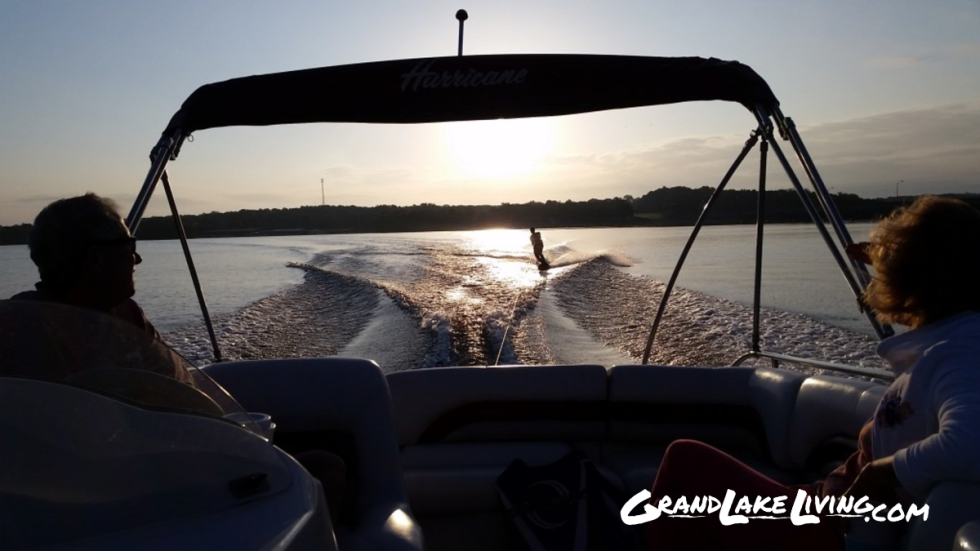
Grand Lake households often think about the boat as part of the weekend, not as a separate line item. Still, it is worth asking how the boat or personal watercraft, trailer, passengers, storage and towing fit into the insurance picture.
Ask about physical damage and liability in plain language. If you carry more than one watercraft, explain that. If the boat spends part of the year elsewhere, explain that too. Coverage can vary significantly, and a homeowners policy should not be assumed to answer every watercraft question.
For the practical side of owning a dock and waterfront property, continue to the Grand Lake Dock Guide. For the day-to-day lake context, our Grand Lake boating guide is a useful companion.
Waterfront details
What about the dock and boat lift?
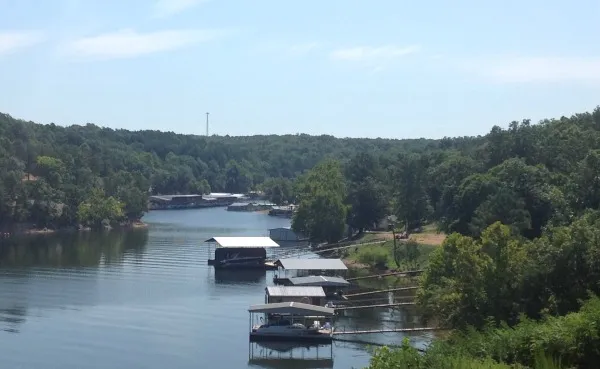
A dock and boat lift are easy to treat as part of the scenery — until something happens to one. Waterfront owners should identify those structures specifically and ask their insurance professional how they are treated under the policy.
Do not assume the answer. Ask about the dock, lift and related structures as their own questions, and keep a clear record of what you own. Coverage varies by insurer and policy.
Flooding and water damage aren’t always the same thing.
“Water damage” can describe more than one kind of loss, and the words used in a conversation do not automatically tell you what a particular policy does. Homeowners should ask specifically about flood coverage and how the policy addresses the types of water-related loss relevant to the property.
There is no useful blanket yes-or-no answer for every Grand Lake address. Ask a licensed professional to evaluate the property and explain the distinction in the context of the coverage being considered.
Lake households can accumulate a surprising amount of equipment: golf carts, ATVs, trailers and other recreational vehicles. Ask whether each item needs separate or additional coverage, where it is used and who may operate it. The answer may differ by item, carrier and policy.
The same goes for liability. Boats, docks, guests, swimming, recreational vehicles, rental property and additional property can all be part of a larger conversation about whether your liability limits are appropriate for the way you live at Grand Lake.
Bring this list along
Questions worth asking before you choose coverage
Use these as prompts, not as a substitute for a policy review. The right questions depend on the property, the people using it and the coverage being discussed.
Is this property insured correctly as a primary or second home?
How are my dock and boat lift treated?
Do I need separate boat or PWC coverage?
What happens if the house sits vacant for extended periods?
Does occasional rental use change anything?
What are my wind and hail deductibles?
Do I have flood coverage?
Are my golf cart, ATV or other recreational vehicles covered?
Are my liability limits appropriate for a waterfront property?
Should I consider umbrella liability coverage?
Questions we hear
Grand Lake Insurance FAQs
Coverage varies by policy and insurer. Identify the dock and boat lift specifically, and ask your licensed insurance professional how those structures are covered.
Coverage can vary significantly. Ask whether separate watercraft coverage is appropriate for your boat or personal watercraft.
Insurers may treat second and seasonal properties differently depending on occupancy and use. Accurately describe how the property is used to your insurance professional.
Rental use may affect insurance needs and should be disclosed to your insurer.
There is no blanket yes or no. Flood risk and flood coverage should be evaluated specifically because standard property coverage and flood coverage may differ.
A note from Grand Lake Living
Stay connected to Grand Lake.
Get the weekly Grand Lake Living newsletter with events, lake news, dining, openings and the things that are easy to miss.